
Adding an Electric Bidet Toilet Seat to an Older Melbourne Home Without Existing Power Points
5th
Oct
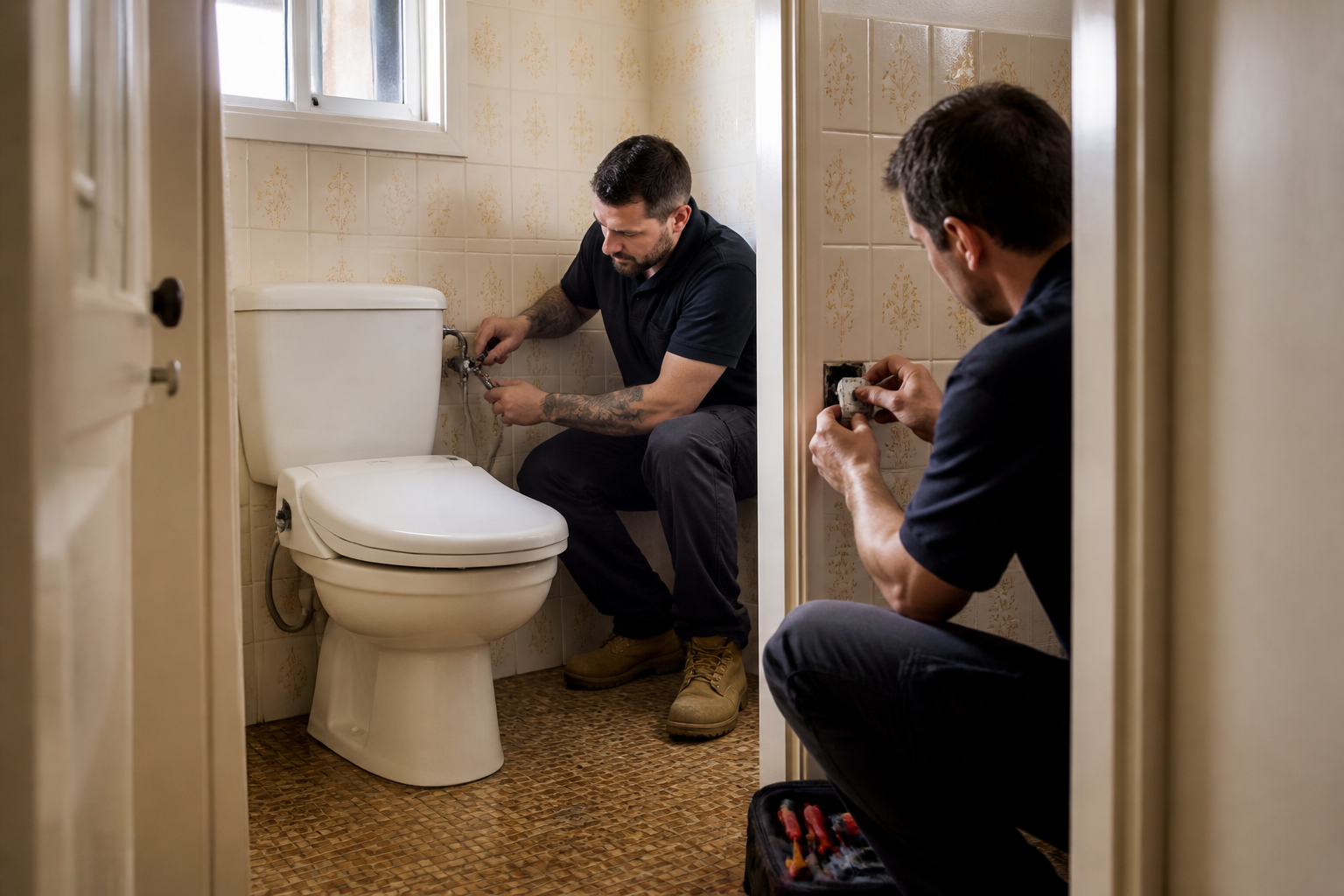
Older Melbourne houses have solid bones, original tiling and bathrooms that were never designed around a heated toilet seat. If your place was built before the mid-1990s, the nearest power point is often on the other side of the room, or missing from the wet area altogether. An electric bidet seat usually arrives with a 1.2-1.5 metre lead. That short cable is enough to stop a lot of people from going ahead.
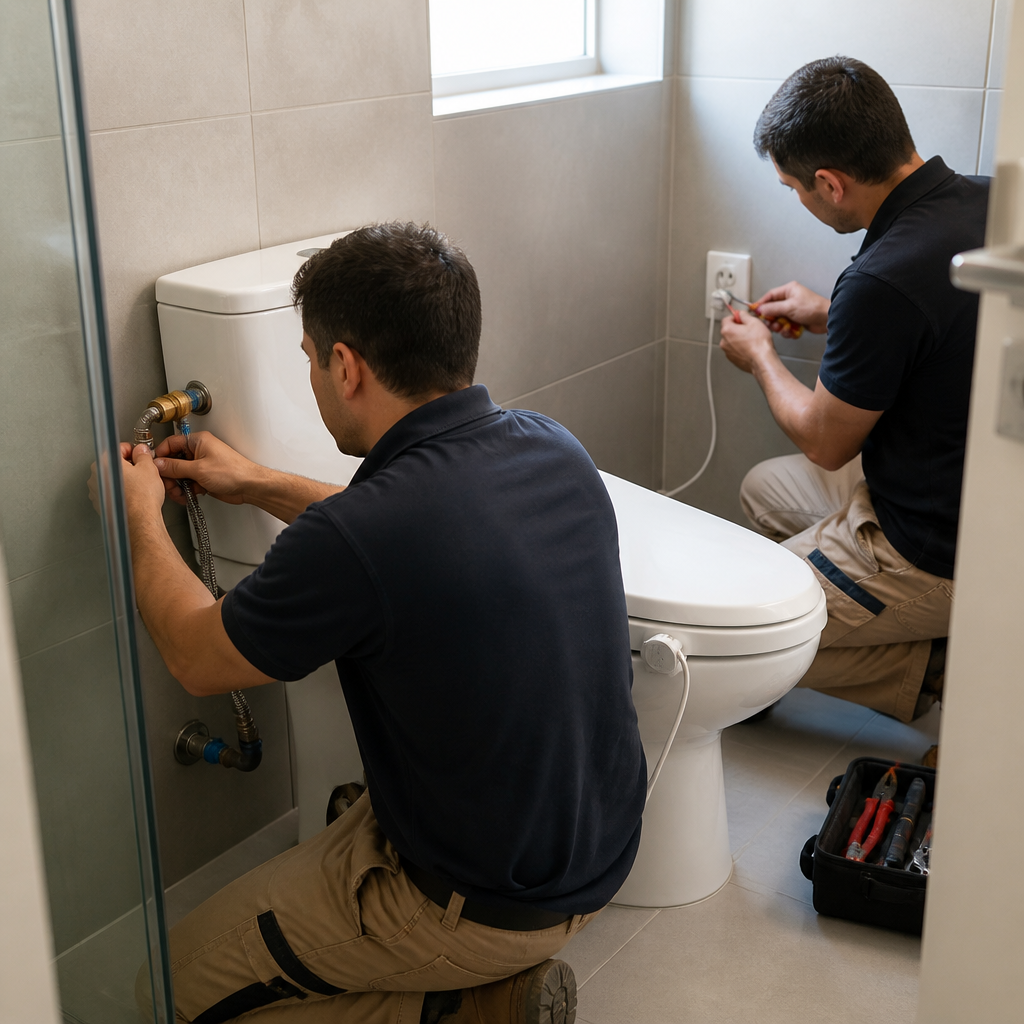
It does not have to. Desi Plumbers fits WaterMark-certified electric bidet seats on existing toilets across Melbourne, Victoria and Brisbane, Queensland. When there is no general purpose outlet (GPO) beside the pan, we plan the water connection, fit the right backflow protection and work with a licensed electrician so the seat can be powered on an RCD-protected circuit. You keep the toilet you already paid for. You avoid a full knock-down renovation. You still get a warm seat, a controlled wash and a job that meets Australian plumbing rules.
We keep the process straightforward and the pricing in a fair, value-focused range. Our licensed team explains what the bathroom actually needs, what can wait, and what must be done by a trade. You stay informed from the first look at the cistern through to the final leak check.
Why older Melbourne bathrooms rarely have a power point by the toilet
Australian bathrooms built before the mid-1990s were wired for lighting and, if you were lucky, a shaver outlet. A 240V GPO next to the pan was not part of the standard layout. Many inner-north, inner-east and bayside homes in Melbourne still look like that today. Weatherboard cottages in Brisbane and post-war brick veneers follow the same pattern.
An electric bidet seat is not a gadget you rest on the lid. It is a 220-240V appliance that heats water, warms the seat and, on many models, runs a dryer and deodoriser. Those functions need a nearby outlet on a circuit protected by a residual current device (RCD), in line with AS/NZS 3000. If that outlet is not there, a licensed electrician adds one. Adding or moving a power point in a bathroom is not a weekend job for a homeowner, a landlord or a property manager.
The good news is that the rest of the install is usually a retrofit, not a rebuild. Modern seats are made to sit on a standard pan. The water feed tees off the existing cistern supply. You do not need a second waste pipe or a new floor waste for a seat-style unit. That is why an electric seat is often the cheapest way to add bidet comfort to an older home, compared with ripping out the room for a standalone bidet pan.
What an electric bidet seat actually needs
Before anyone unboxes a seat, we check four things. Missing even one of them is how a cheap online purchase turns into a second call-out.
A matching pan
Bidet seats are built for a pan shape, usually a D-shape or an elongated bowl, and for a set bolt spacing. Round pans, compact close-coupled suites and some wall-faced models need a different seat or a different approach. We measure the pan, the tank overhang and the clearance to the wall so the lid opens fully and the side controls are not jammed against tiling.
A cold water feed
The seat needs a clean tap into the cistern supply. A licensed plumber fits a T-valve, an isolation tap and a flexible braided line. Isolation matters. If the unit ever needs service, you should be able to shut the bidet water without turning off the whole house.
Compliant backflow protection
Any bidet connected to potable water is treated as a cross-connection hazard. Water must not be able to run backwards from the fixture into drinking-water pipes. In Australia that protection is specified under AS/NZS 3500.1. Our toilet bidet installation work includes the device that matches the hazard rating, commonly an atmospheric vacuum breaker (AVB) and, where the rating calls for it, additional protection such as an RPZ arrangement. Guessing the device from a product box is how drinking water gets put at risk.
A nearby RCD-protected GPO
If the lead cannot reach a suitable outlet, the electrician installs a permanent, bathroom-rated power point within cable length. Extension leads under the vanity or a double adaptor behind the pan are not a substitute. They are a moisture hazard and they fail a proper inspection.
| Item | Typical situation in an older home | Who completes it | | Nearby 240V GPO on an RCD circuit | Often missing in pre mid-1990s bathrooms | Licensed electrician | | Cold water tee from the cistern supply | Isolation tap and flexible line required | Licensed plumber | | Backflow protection (AVB or as rated) | Required for a water-connected bidet | Licensed plumber | | WaterMark-certified seat | Legal product requirement in Australia | Supplied and fitted by our team | | Pan shape and bolt spacing | D-shape or elongated, confirmed before purchase | Checked on site |
Licensed plumbing, not a workaround
Connecting a bidet seat, attachment, handspray or smart toilet to the water supply is licensed plumbing work in Australia. A non-certified unit is not legal to install. Products need a WaterMark, commonly against WMTS-051 for this type of fixture. Installing without that mark can contaminate drinking water, void home insurance and attract fines.
We supply WaterMark-approved seats and we fit them with the isolation and backflow hardware the job needs. Where the new connection sits above the relevant threshold, a Building Plumbing Certificate (compliance certificate) is lodged. Even when a certificate is not required, the work is still done to code and documented so you have a record for warranty, insurance and a future sale.
The same standard applies to power. A licensed electrician places the GPO. We coordinate timing so you are not left with a seat sitting in a box while two trades try to find each other. Most straightforward jobs finish in a single visit once the outlet is in place. If the electrician needs to run a new circuit first, we sequence the work so the plumber is not standing around on your clock.
If you are comparing quotes, ask who is supplying the WaterMark seat, who is nominating the backflow device, and who is arranging the GPO. Those three answers tell you whether the price is complete.
Backflow, AVB protection and why it is non-negotiable
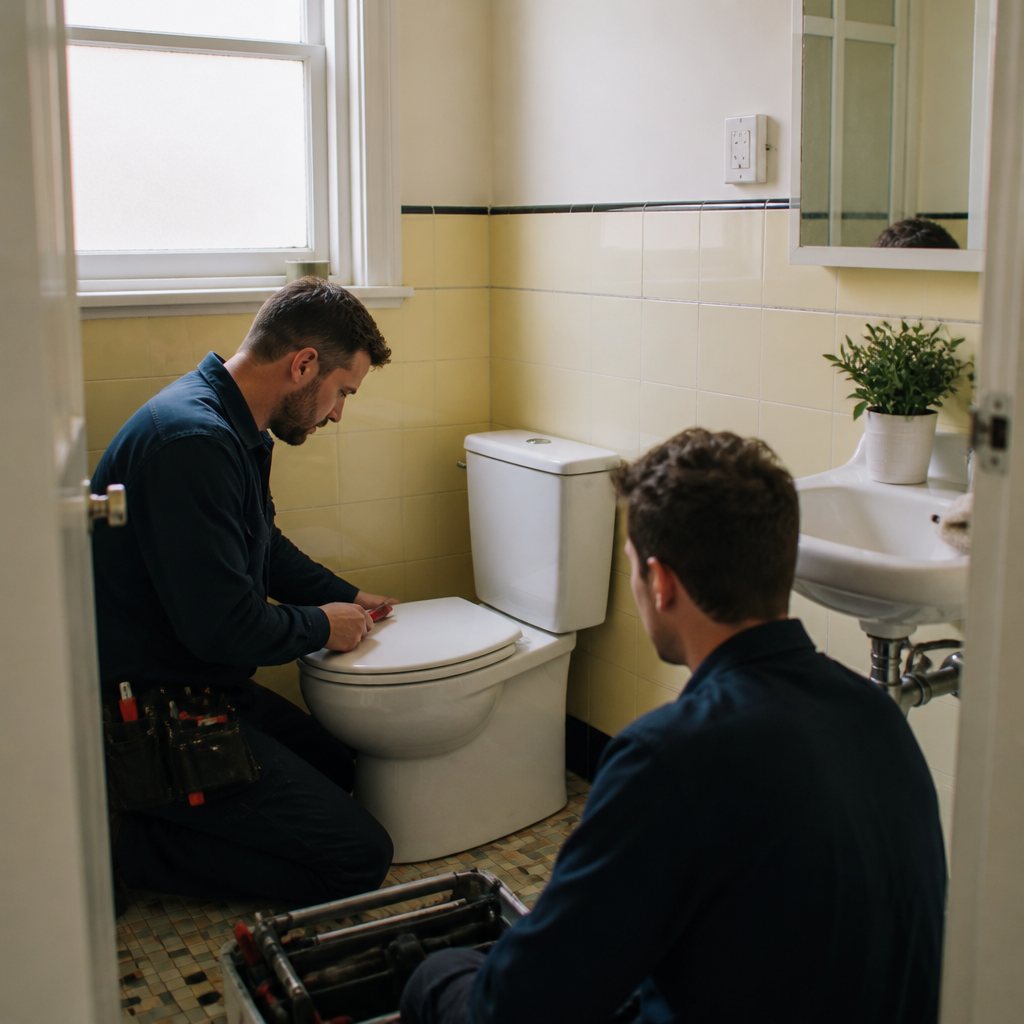
A bidet nozzle sits in a toilet bowl. That is the simple reason regulators treat the connection seriously. Backflow is water travelling the wrong way, from the fixture back into the potable supply. Every water-connected bidet is a cross-connection hazard for that reason.
Our installs use atmospheric vacuum breakers and the additional devices the hazard rating requires. An AVB is a small, proven fitting. It is not an optional extra we add to inflate a bill. It is the difference between a seat that is pleasant to use and a seat that can put household drinking water at risk.
We also check mains pressure. Many electric seats want at least about 70 kPa at the cistern to run a decent spray. Some older inner-east Melbourne streets, and some older Brisbane mains, sit at the low end of that range. If pressure is high, a pressure reducing valve (often set around 350 kPa) protects the fittings and makes the wash more comfortable. If pressure is low, we test on site and talk through options before you spend money on a seat that will only dribble.
That pressure check is the same practical habit we bring to hot water installation and other fixture work. A seat, a heater and a mixer all suffer when the supply is ignored.
How we add an electric seat when there is no existing power point
Here is the path we use in older Melbourne and Brisbane bathrooms. It is designed to stay legal and to keep costs under control.
- Pre-purchase check. We look at pan shape, cistern access, isolation, likely GPO location and water pressure. If you have not bought the seat yet, this step saves you from ordering the wrong model.
- Electrical first when needed. A licensed electrician installs a bathroom-rated, RCD-protected GPO within the lead length, usually on the side that matches the seat’s cable exit. Permanent and neat beats a trailing lead every time.
- Isolate and tee the water. We shut the cistern supply, fit the T-valve, isolation tap and backflow device, then run the flexible line to the seat inlet.
- Mount the seat. The old seat comes off. The mounting plate goes on. The new unit locks to the pan. We keep tank and lid clearances in mind so nothing scrapes the ceramic.
- Power, program and test. The seat plugs into the new GPO. We run a cycle test, check for leaks, confirm the backflow device is doing its job and walk you through the basic controls.
- Paperwork. You receive the documentation the job requires, including a compliance certificate where the work sits above the threshold.
That sequence is how you add comfort without opening walls for a full bathroom renovation. If you already planned a shower or vanity update, we can align the bidet work with that visit so you are not paying for extra travel. If the bathroom is staying as it is, the seat retrofit is usually enough.
Electric seat or water-only attachment
Not every older home needs a powered seat. A water-only attachment sits between the existing seat and the pan, tees into cold water and uses mains pressure alone. There is no heated water, no dryer and no electrical work. For a rental, a short-stay property or a tight budget, that can be the better first step.
Choose electric when you want a heated seat, warm water and drying, and you are willing to add a GPO. Choose water-only when you want a simple wash, a short visit and no electrician. We supply and fit both, and we will say so if the cheaper option meets the brief. Pushing every customer into the dearest seat is not how we work.
Landlords and property managers often start with a WaterMark water-only unit in one bathroom, then move to electric seats in owner-occupied homes once the GPO is in. Either way, the water connection still needs a licensed plumber and the right backflow protection.
Value for homeowners, landlords and small commercial sites
We price this work for people who want a proper job without a prestige mark-up. The savings come from keeping the existing pan, avoiding a second waste connection and doing the plumbing in one planned visit. The cost that is worth paying is the licensed labour, the certified seat and the backflow device. Skipping those is not a saving. It is a leak, an insurance problem or a failed inspection waiting to happen.
Homeowners in Melbourne weatherboard and brick homes use this retrofit to make a dated bathroom more comfortable before they sell, or to stay in the house longer without a full wet-area rebuild. Landlords use it as a modest amenity upgrade that tenants notice. Small offices, clinics and cafes ask us for the same seat on a staff toilet as part of commercial plumbing services, provided the layout and the GPO can be made to work.
We are a plumber Melbourne residents already call for domestic plumbing, and we cover Brisbane with the same bidet and emergency coverage. Weekend work does not attract a surcharge. If a cistern starts leaking at 9pm after the seat is on, you are not left waiting until Monday.
What else we can handle while we are in the bathroom
A bidet visit is a good moment to look at the rest of the room, because the cistern, stop tap and pan are already open. If the fill valve weeps, we can replace it. If the pan is slow to clear, we can check the trap and the line. A blocked toilet that keeps coming back is sometimes a deeper drain issue, not a bad flush. That is when CCTV drain inspection earns its keep. Our licensed team quickly diagnoses stubborn blockages with CCTV cameras, keeping you informed and stress-free throughout the entire fix. Where tree roots or scale are the cause, we move from camera to blocked drain clearing and, if needed, drain repair.
The same visit can pick up a dripping shower or a vanity leak. Leak detection Melbourne work is often faster when we are already on site and the water is isolated. If the bathroom is part of a larger update, our kitchen renovation plumbing and gas plumbing crews can be booked on a shared timeline so you are not juggling three companies.
For urgent after-hours problems, emergency plumbing runs around the clock. Brisbane customers looking for an emergency plumber Brisbane can reach the same roster, with no extra charge for weekend attendance.
A note on older cisterns, dual-flush valves and space
Close-coupled suites in 1970s and 1980s homes can be tight. The tank sits low, the inlet is on the wrong side, or the stop tap is seized. We deal with that every week. A seized tap gets replaced. A brittle olive gets a new compression fitting. If the cistern inlet cannot accept a clean tee, we say so before the seat is mounted, not after water is on the floor.
Dual-flush valves also matter. Some seats need a little more rear clearance than a thin plastic lid. We check that the button panel still sits proud and that the seat does not lift the lid into the button. Small details like that are why a 30-minute brochure job can become a careful 90-minute fit in a period bathroom. We would rather take the extra time than leave you with a lid that does not stay up.
If the pan itself is cracked, rocking or badly stained, a seat will not hide it. In that case we talk through a pan replacement as part of the same job, still without turning the room into a full renovation unless you want one.
Brisbane and Melbourne, same standard
WaterMark, backflow rules and RCD protection apply in both cities. What changes is the housing stock. Melbourne’s inner-east cottages often mean tight ensuites, original copper and lower street pressure. Brisbane’s older timber homes can mean weatherboard walls, long pipe runs under the floor and bathrooms added in a later lean-to. We adjust the GPO location, the flexible line length and the isolation point to the building, not to a generic diagram.
If you manage properties in both markets, you can use one contractor for toilet bidet installation in Queensland and the same bidet standard in Victoria. That keeps product choice, backflow practice and aftercare consistent.
Learn more about us or browse the full services list if the bidet is only one item on a longer maintenance list.
FAQ
Can you install an electric bidet seat if there is no power point near the toilet?
Yes. A licensed electrician installs a bathroom-rated, RCD-protected GPO within the seat’s lead length. We then complete the water connection, backflow protection and seat mount. We do not run temporary leads across a wet floor as a substitute.
Is connecting a bidet DIY work in Victoria or Queensland?
No. Connecting a bidet to the water supply is licensed plumbing work. The seat must be WaterMark-certified, and backflow protection must match AS/NZS 3500.1. Power points in bathrooms are licensed electrical work. We handle the plumbing and coordinate the electrician so the job stays compliant.
Do I need a full bathroom renovation?
Usually no. An electric bidet seat replaces the existing seat, tees into the cistern supply and plugs into a nearby GPO. A standalone bidet pan is a different job. It needs its own water and waste, closer to installing a second toilet. Most older homes are better served by a seat retrofit.
What if my water pressure is low?
Many electric seats want around 70 kPa or more at the cistern. We test on site. If pressure is high, a reducing valve protects the fittings. If it is low, we discuss options before you buy a seat that cannot spray properly. Inner-east Melbourne and some older Brisbane mains are common places we see this.
Will I get a compliance certificate?
Where the new connection sits above the threshold, we lodge a compliance certificate. Keep that document for insurance and for a future sale. Jobs below the threshold are still installed to code and documented for warranty.
How long does the install take?
A water-only attachment is often a short visit. An electric seat on a toilet that already has a suitable GPO is commonly completed in one visit. If a new power point is required, the electrician goes first or we book both trades so the seat is not left waiting.
Do you work after hours or on weekends?
Yes. We offer 24/7 attendance, including emergency plumbing, and we do not add a weekend surcharge. That applies in Melbourne and for Brisbane customers who need an emergency plumber Brisbane on a Saturday cistern leak as much as on a planned seat install.
Can a landlord or strata property use the same service?
Yes. We work with homeowners, landlords, property managers and commercial operators. For rentals we can recommend a simpler water-only unit if that is the better value. For owner-occupied and commercial bathrooms we fit electric seats with AVB protection and a documented GPO.
Book a bidet-ready check
If your older Melbourne or Brisbane bathroom has no power point beside the toilet, start with a site check rather than a seat in an online cart. We will confirm pan fit, pressure, isolation and GPO location, then quote a complete toilet bidet installation with WaterMark parts and AVB backflow safety.
Call or contact us any time. Our licensed team keeps you informed, keeps the work to Australian standards and keeps the cost in a sensible range. Whether you need a heated seat this week, leak detection after a slow stain appears, or a plumber on the roster for the next blocked line, we are ready 24/7.